
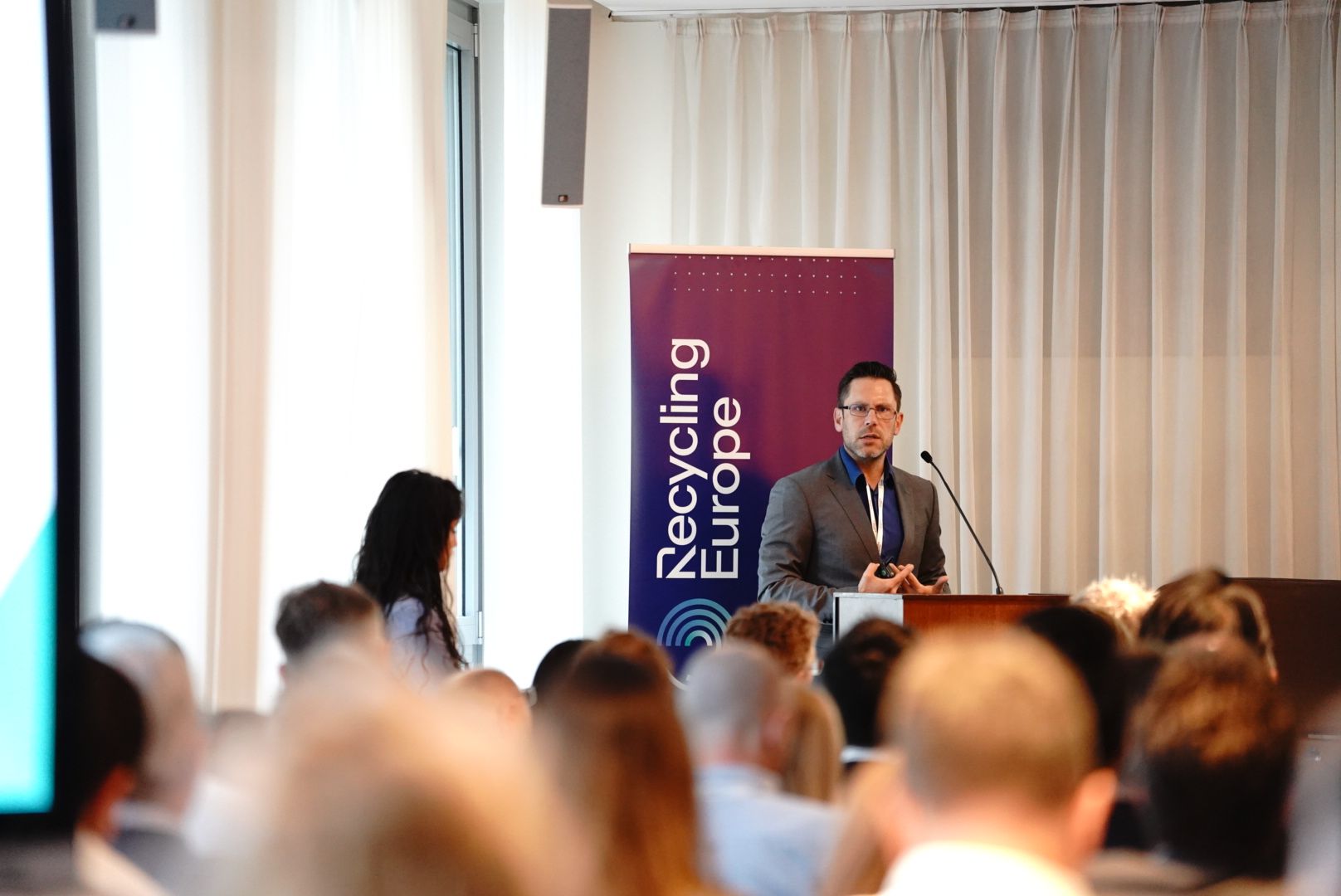
The 7th European Recycling Conference (ERC) in Hamburg marked a significant moment for Europe’s recycling industry, with over 140 leaders and policymakers coming together to address the pressing challenges and opportunities of the circular economy. As Europe continues to transition towards sustainability, the event highlighted critical issues such as the growing demand for recycled materials, the need for stronger regulation, and the barriers hindering progress in the sector.
Key Insights from the Conference
Recycling Europe (formerly EuRIC) kicked off the conference by emphasizing the urgent need for a competitive recycling industry in Europe. Maria Vera Durán from Recycling Europe stressed that now is the right time to strengthen Europe’s recycling capabilities. This sentiment was echoed by local officials like Dr. Alexander von Vogel from Hamburg, who underscored the importance of circularity in today’s complex economic landscape.
One of the key topics discussed was the need for increased demand for recycled materials. Recycling Europe President Olivier François highlighted a paradox: Europe produces more recycled materials than its industries can absorb, resulting in a surplus that hampers further progress. In turn, there is a strong call for stimulating demand for these materials in construction, infrastructure, and manufacturing sectors.
Industry Challenges: From Battery Fires to Steel Exports
A critical issue raised during the conference was the growing risk posed by battery fires, particularly with the rise of lithium-ion batteries. Experts like Federico Magalini of dss+ emphasized the importance of technical safeguards to prevent such risks, while also tackling the growing e-waste issue. Meanwhile, Frank Pothen of EAH Jena warned of the dangers posed by trade restrictions and rising energy costs, stressing the need for a global approach to the recycling market.
Discussions also revolved around Europe’s handling of raw materials like non-ferrous metals, where experts like Alejandro Moreno from StoneX highlighted supply chain challenges, particularly with materials like aluminum and copper. These metals are crucial for industries like electronics and electric vehicles, making it essential for Europe to streamline its recycling processes and reduce dependency on non-EU suppliers.


Boosting Demand for Recycled Materials
The conference addressed the need for urgent regulatory reforms to accelerate the recycling process. Florian Flachenecker from the European Commission noted that developing criteria for recycling processes is taking far too long, and this delay is hindering the sector’s ability to scale. Mariska Boer from the Boer Group described the state of the textile industry as a “perfect storm,” citing challenges like fast fashion and weak infrastructure. She stressed the need for innovation and investment to keep up with demand.
In the automotive sector, participants discussed the challenges of integrating recycled materials into new vehicles. Emmanuel Katrakis from Galloo emphasized that the EU must set clearer targets for recycled plastic content in vehicles to avoid diluting the effectiveness of regulations. At the same time, experts like Marta Roche Díez from CLEPA pointed out that manufacturers are investing in recycled materials but need a clear legislative framework to remain competitive.
Looking Ahead to 2026
As the conference concluded, it became clear that Europe’s circular economy is at a crossroads. The recycling sector faces a myriad of challenges—from regulatory delays to global trade barriers—yet the potential for growth remains high. With the next European Recycling Conference scheduled for Madrid in 2026, the call for faster, smarter, and more collaborative action has never been clearer.
The future of Europe’s recycling industry hinges on swift legislative action, stronger demand for recycled materials, and continued innovation. By addressing these challenges head-on, Europe can make significant strides toward achieving a more sustainable and circular economy.


