
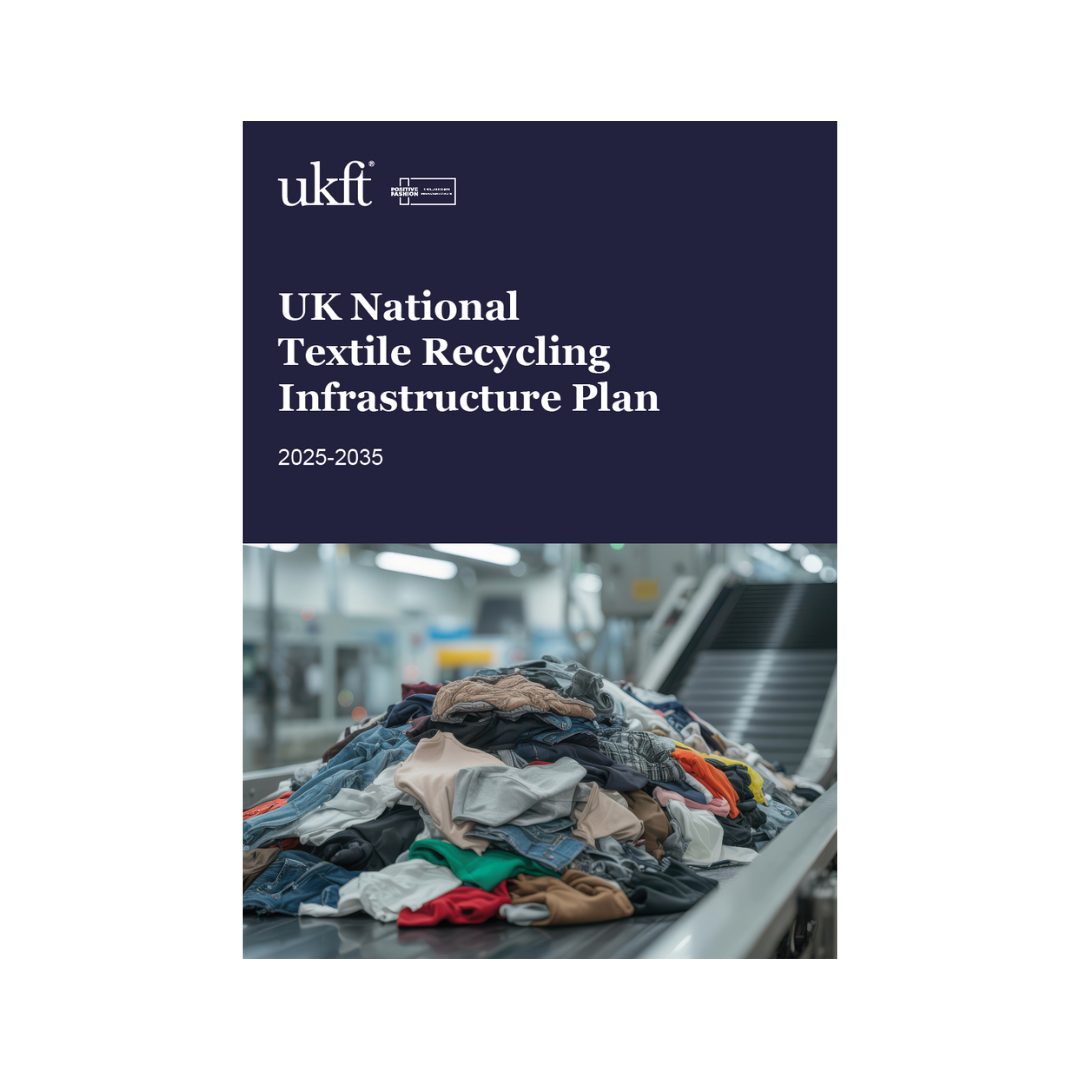
The UK is at a critical juncture in its quest to reshape the fashion and textile industry toward sustainability. With over 3,000 kilotonnes of textile waste generated annually, the country faces a daunting challenge. However, through strategic investment and innovation, the UK could transition to a circular textile economy by 2035, unlocking substantial environmental and economic benefits. The UK Fashion & Textile Association (UKFT) has unveiled its National Textile Recycling Infrastructure Plan, a comprehensive framework aimed at making this vision a reality.
The Need for Change
Textile waste is one of the fastest-growing waste streams globally, and the UK is no exception. Currently, a significant portion of post-consumer textiles (PCT) ends up in landfills or incineration. The pressing need to establish an efficient, circular textile recycling system is evident. A key part of this strategy involves closing the loop on textile waste, transforming it into a valuable resource through recycling and repurposing.
The National Textile Recycling Infrastructure Plan outlines a roadmap for addressing this issue, with a clear goal: to create a circular economy for textiles in the UK by 2035. This plan is built around four foundational pillars: infrastructure, skills and workforce, technology, and market capacity.
Key Priorities for a Circular Textile Economy
1. Investment in Infrastructure
To build a viable recycling system, the UK needs significant infrastructure investment. This includes expanding sorting and grading capacity, which currently falls short. The lack of domestic facilities for sorting non-reusable textiles (NRTs) means that much of the UK’s textile waste is shipped abroad for processing. The plan highlights the importance of establishing automated sorting and pre-processing facilities, enabling the efficient handling of textile waste domestically.
Additionally, the proposal calls for the creation of a national textile recycling hub that will process large volumes of textile waste. This hub will include facilities for both mechanical recycling (shredding and breaking down textiles) and fibre-to-fibre recycling, where old textiles are transformed into new, usable fibres for the production of fresh garments. A chemical recycling plant is also part of the vision, ensuring that all types of textiles, including those that are difficult to recycle, are processed effectively.
2. Skills and Workforce Development
The shift to a circular textile economy requires a well-trained workforce. The plan acknowledges the need for specialized skills in textile recycling, including expertise in sorting, grading, and processing textiles for reuse. It proposes targeted training programs and educational initiatives to upskill workers and build a sustainable workforce capable of supporting the growing recycling industry.
The UK’s workforce will also need to adapt to new technologies in textile recycling, such as robotics and automated sorting technologies. By investing in skills development, the plan aims to ensure that the UK remains competitive in the global circular textile market while fostering job creation in green industries.
3. Technological Innovation
Technological advancements play a central role in the success of the recycling system. The UKFT plan emphasizes the need to invest in innovative recycling technologies, particularly in areas like automated sorting and fibre-to-fibre recycling. By adopting these cutting-edge technologies, the UK can increase the efficiency of its recycling processes and handle a greater volume of textile waste.
Furthermore, traceability systems are crucial to ensure that textiles are properly sorted and recycled. By leveraging digital platforms and data-driven systems, stakeholders can track the lifecycle of textiles, ensuring that materials are reused effectively and ethically.
4. Building Market Capacity
To make the textile recycling ecosystem viable, the UK must ensure there is a demand for recycled content. This includes expanding market capacity for recycled textiles and ensuring that manufacturers and retailers prioritize recycled materials in their products. The UKFT plan calls for eco-design initiatives that encourage brands to create products that are easier to recycle and incorporate more sustainable materials.
Brands and retailers have a unique opportunity to drive change by integrating recycled fibres into their production lines and setting clear sustainability goals. The plan also suggests fostering collaboration between the textile sector and other industries, such as automotive and construction, which could use recycled textiles in their products, thus expanding the demand for recycled materials.
The Role of Extended Producer Responsibility (EPR)
A key element in the UKFT plan is the introduction of an Extended Producer Responsibility (EPR) system. Under this system, textile producers would be held accountable for the lifecycle of their products, including the end-of-life management. This would ensure that textile manufacturers invest in the infrastructure needed for recycling and reduce the burden on consumers and local authorities to manage textile waste.
EPR is expected to drive industry investment in sorting, grading, and recycling infrastructure while creating a financial model that supports sustainable practices across the textile supply chain.
The Road Ahead
The UK National Textile Recycling Infrastructure Plan presents a clear pathway to a more sustainable future for the fashion and textile industry. With the right investments in infrastructure, skills development, and technology, the UK can transition from a linear waste system to a circular economy. By 2035, the country could drastically reduce textile waste, improve resource efficiency, and foster new economic opportunities within the recycling sector.
As Adam Mansell, CEO of UKFT, aptly put it,
By aligning investment, skills, and innovation, the UK can cut waste, reduce environmental impact, and create new economic value in textiles for decades to come.
The time to act is now, and the roadmap set out by the UKFT is an essential step toward ensuring a sustainable future for textiles in the UK.
Read the full document: UKFT unveils National Textile Recycling Infrastructure Plan


