
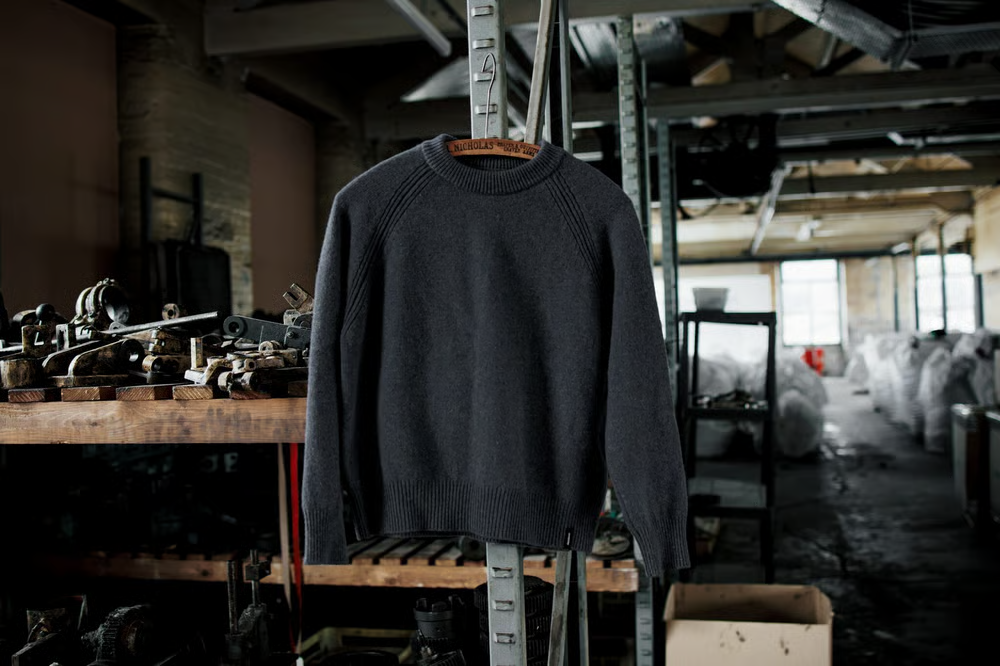
Outdoor apparel brand Finisterre has unveiled a new textile recycling project aimed at reducing its environmental footprint and pushing the boundaries of circular design. The initiative, which sees Finisterre collaborating with Camira Group’s sustainable textile brand iinouiio and recycling specialist Reskinned, is focused on turning end-of-life wool products into high-quality yarn. This marks a significant step in Finisterre’s mission to reduce waste and support sustainable fashion practices.
The collaboration introduces the Revive capsule collection, which highlights the potential of circular manufacturing and the importance of considering recyclability and disassembly from the start of the design process. Led by textile recycling expert Dr. John Parkinson, the project is a direct response to the staggering 92 million tonnes of textile waste produced annually by the fashion industry. As Finisterre strives to transition its supply chain to regenerative and organic fibres, this new recycling initiative targets a persistent challenge: the recycling of post-consumer waste.
Finisterre has been working on its take-back scheme since 2021, partnering with Reskinned to store end-of-life knitwear while seeking responsible recycling solutions. The Revive collection takes these old garments and transforms them into new pieces, with each item made from 80% pre-consumer recycled wool and 20% post-consumer recycled wool. Notably, 5% of the material in the collection comes from Finisterre’s own feedstock stored with Reskinned, further emphasizing the brand’s commitment to closing the loop on its product lifecycle.
The collection features two standout pieces: the Dr John Revive Jumper and the Dr John Revive Beanie. The jumper, priced at £135, offers a versatile design perfect for both urban and coastal adventures, available in men’s and women’s sizes. Meanwhile, the Dr John Revive Beanie (£45) is made from the same recycled wool blend, designed to fit seamlessly into both city life and outdoor pursuits.
Dr. John Parkinson, who has been instrumental in the project, praised Finisterre’s openness to experimentation and willingness to embrace new methods for working with reclaimed materials. “Finisterre may still be navigating how to adjust working procedures for reclaimed materials, but what stands out is their openness to listen and figure it out,” said Parkinson. He also reflected on the satisfaction of working with smaller brands like Finisterre, noting that their decision-making process aligns with the values of iinouiio and supports UK manufacturing.
The project is an example of how fashion brands can work together to turn waste into valuable resources, a message Parkinson hopes will inspire more collaboration across the industry. With the success of the Revive capsule, Finisterre is paving the way for future projects that prioritize both sustainability and quality, proving that circular design principles can lead to practical, effective solutions in the fashion industry.


