
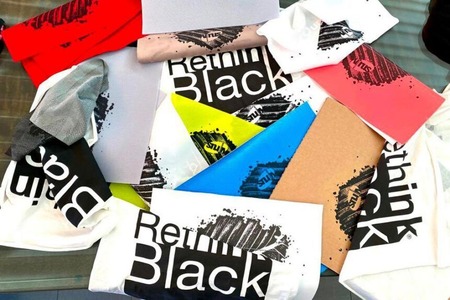
A new collaboration between Bioforcetech, RDD Textiles and Virus Inks is looking at how waste materials can be used in textile production. The three companies have started a joint project focused on developing circular and high-performance materials for garments and textile printing.
The initiative brings together expertise from different parts of the supply chain. Bioforcetech, based in the San Francisco Bay Area, works on waste conversion and carbon-negative materials. RDD develops advanced textile solutions, while Virus Inks focuses on sustainable screen-printing inks for the apparel sector.
One of the central materials in the project is OurCarbon, developed by Bioforcetech from treated sewage sludge. The company processes the waste through a controlled treatment system that stabilises the material and converts it into a carbon-rich product.
In this partnership, OurCarbon will be used as a key ingredient in a black screen-printing ink formulated by Virus Inks. The ink will then be applied in textile applications developed by RDD. By integrating the material into printing inks, the partners are exploring a practical way to introduce circular resources into everyday textile production.
Screen printing remains one of the most widely used decoration methods in the apparel industry. Most traditional inks rely on fossil-based inputs such as petroleum-derived carbon black. Replacing part of these materials with a carbon source derived from waste could help brands reduce dependence on virgin raw materials.
The collaboration also reflects growing interest in circular material systems within the textile sector. Large volumes of industrial and municipal waste are still sent to landfills each year, including sewage sludge produced by wastewater treatment facilities. Technologies that convert these waste streams into usable materials are gaining attention as the industry searches for lower-impact alternatives.
Bioforcetech’s process captures carbon that would otherwise be released during conventional sludge disposal methods. Turning that carbon into a stable material opens possibilities beyond waste management, including uses in construction, plastics and now textile printing.
For RDD and Virus Inks, the project offers a chance to test how such materials perform in real production environments. Printing inks must meet strict requirements for colour depth, durability and wash resistance. Integrating a new carbon source into the formula requires careful testing to ensure performance remains consistent.
The partners are also positioning the project as a practical option for fashion brands interested in expanding their sustainable product lines. Many brands have started to examine not only fabrics and fibres, but also dyes, inks and other finishing materials that contribute to a garment’s overall environmental footprint.
By combining waste-derived carbon with textile printing technologies, the companies aim to demonstrate that unconventional materials can still meet the performance standards required in the apparel market.
The collaboration is currently focused on research, formulation and application trials. Early results will help determine how the material behaves in large-scale textile production and whether it can be adopted more widely by garment manufacturers.
Interest in circular materials continues to grow as the textile industry looks for ways to reduce emissions and resource consumption across the supply chain. Projects like this highlight how waste streams from other sectors may find new value in textile manufacturing when supported by the right processing technologies and industry partnerships.
-

-

-

-


