
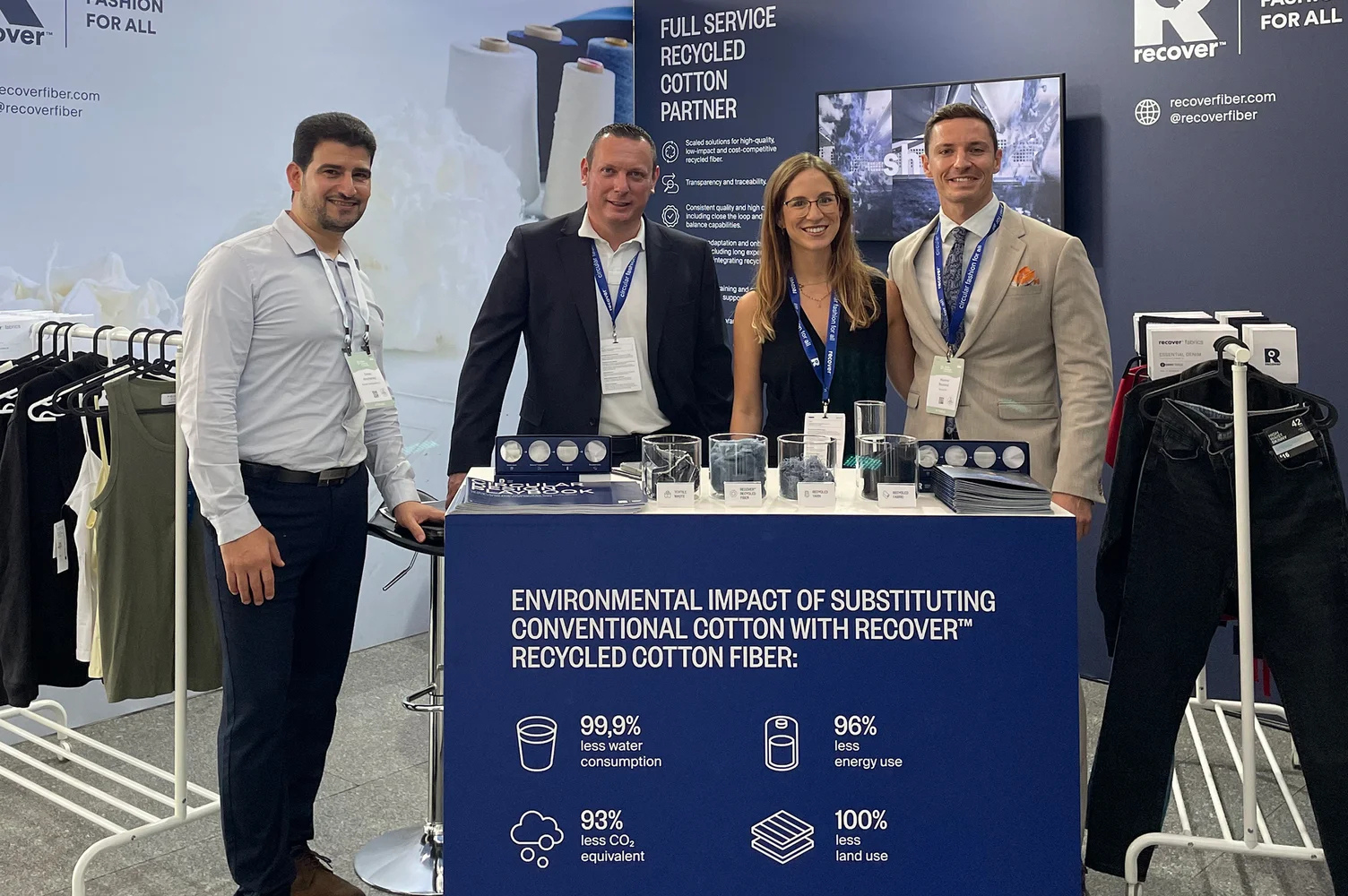
The 2025 edition of the Textile Exchange Conference, held last week, brought together around 1,600 participants from across the textile value chain—ranging from suppliers and brands to fiber producers and sustainability experts. The conference, which focused on the theme Shifting Landscapes, provided a platform for collaboration, sharing insights, and exploring solutions to the industry’s pressing environmental, political, and economic challenges.
Here are the top five highlights from the event:
1. Textile Exchange’s Materials Matter System
One of the major updates at the conference was Textile Exchange’s unveiling of the Materials Matter system. Slated to become mandatory by 2027, this new sustainability framework aims to consolidate existing material certifications like RWS, GRS, and OCS into a single integrated system. This move will simplify certification processes while driving greater accountability and transparency in material production, with a focus on climate goals, human rights, and ecological health.
2. Global Fiber Market Insights
The Materials Market Report presented a cautiously optimistic outlook on global fiber production, which hit a record 132 million tonnes in 2024. The report indicated that polyester continues to dominate the market, holding a 59% share. Recycled polyester and cotton saw notable growth, though textile-to-textile recycling remains a challenge. Textile Exchange emphasized that recycled cotton and polyester are crucial to reducing the textile industry’s reliance on virgin resources.
3. Textile-to-Textile Recycling: A Path to Sustainability
A key discussion at the conference was the role of textile-to-textile recycling in creating circular supply chains. With increasing waste streams and new collaborations across the industry, brands are now focusing on recycling post-consumer textile waste. Recover™ was recognized with the Climate and Nature Impact Award for its work in scaling recycled cotton production in Central America, highlighting the potential of textile-to-textile recycling as a decarbonization strategy.
4. Industry Legislation and the EU’s Role
The European Union’s legislative updates, such as the Waste Framework Directive and the Ecodesign for Sustainable Products Regulation, were hot topics. These regulations, set to be implemented by 2026, will introduce mandatory recycling programs, digital product passports, and stricter requirements for circular business models. The textile industry must adapt to these evolving regulations to remain compliant and sustainable.
5. Traceability and Transparency
With rising demand for sustainability, traceability has become a crucial element in verifying the sustainability of textile products. Textile Exchange emphasized the importance of data-backed sustainability, unveiling a centralized traceability platform to enhance transparency from fiber to finished product. This initiative will enable better monitoring of material origins and production processes, ensuring that sustainability claims are supported by verifiable data.
Looking Ahead
The 2025 Textile Exchange Conference highlighted the industry’s ongoing push for a more transparent, accountable, and circular textile supply chain. As we move forward, the focus on innovation, collaboration, and data transparency will continue to shape the future of sustainable fashion. At Recover™, we are inspired by the conversations and partnerships formed in Lisbon and remain committed to driving the circular economy forward.


