
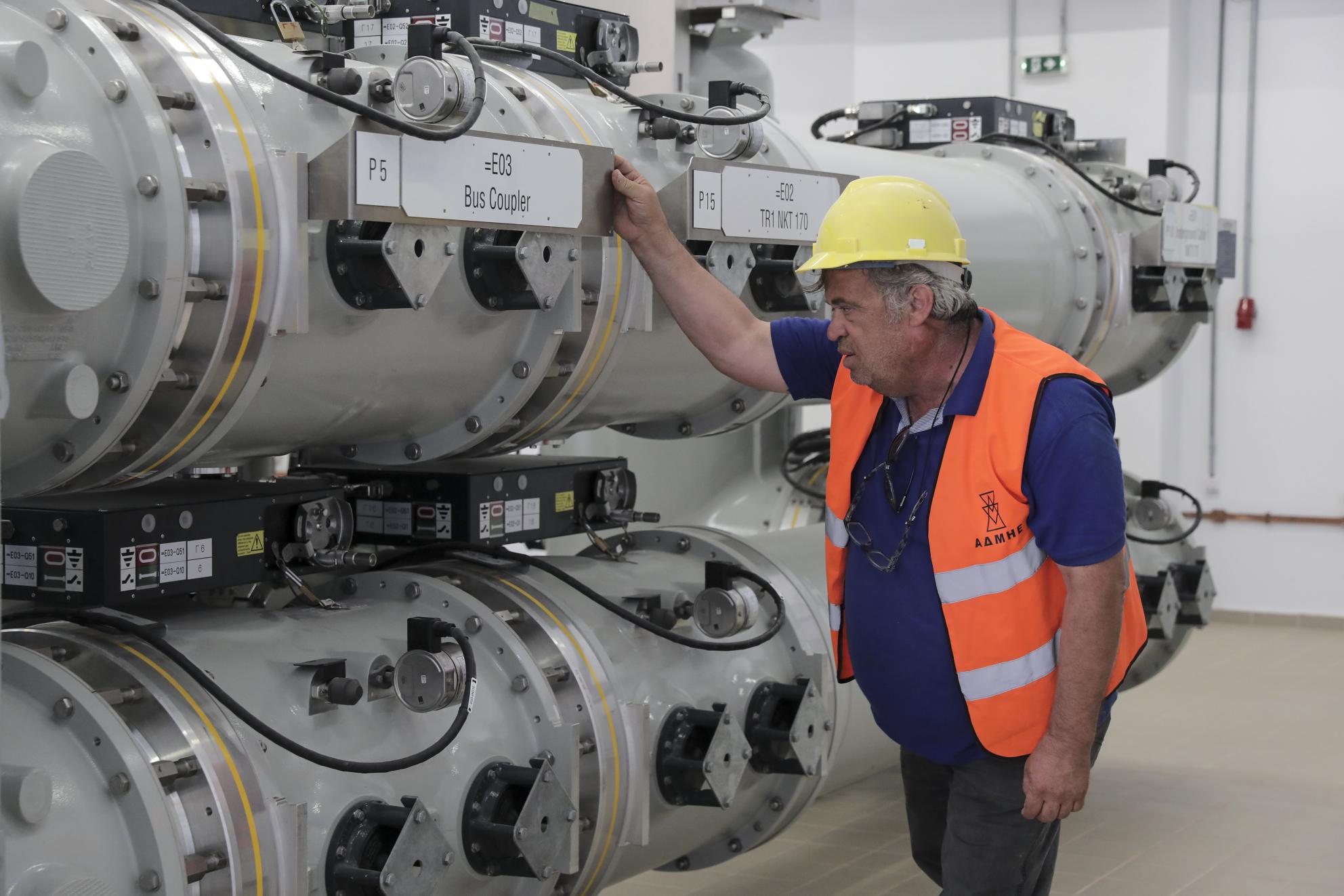
Europe’s energy system depends on one essential element that often stays out of public view: the power grids that move electricity across countries and regions. The European Commission now wants to strengthen this backbone by modernising and expanding grid infrastructure across the EU. With the new European Grids Package and the Energy Highways initiative, the aim is simple, make energy flow better, cost less, and remain secure as Europe shifts to cleaner sources.
Electricity demand is rising fast. More homes use heat pumps, more cars run on electricity, and more factories switch away from fossil fuels. At the same time, renewable energy like wind and solar is often produced far from where it is used. Stronger and smarter grids are needed to connect these dots.
The European Grids Package takes a broader view of energy infrastructure. Instead of planning grids country by country, it looks at Europe as one connected system. This helps avoid gaps, delays, and duplicated projects. It also speeds up permit processes, which have slowed down many grid projects in the past.
Another key part of the package focuses on fairness. Cross-border grid projects often benefit several countries, even if the infrastructure is built in just one or two of them. Until now, this has sometimes placed a heavier financial burden on local consumers. The new approach improves how costs and benefits are assessed and shared, making sure no region carries more than its fair share.
Financing is also a major concern. Upgrading and expanding grids requires large, long-term investment. The Commission proposes new methods such as cost-sharing and bundling projects together. When projects are grouped, they become more attractive to investors and easier to finance. In some cases, special purpose vehicles could be used to manage these investments and bring in private capital.
Alongside the Grids Package, the Commission has launched the Energy Highways initiative. First announced by Commission President Ursula von der Leyen in her State of the Union 2025 speech, this plan identifies eight priority infrastructure projects. These “Energy Highways” address the most urgent gaps in Europe’s energy network.
The selected projects play a key role in completing the Energy Union. They also need strong political backing at EU level to move forward quickly. Without this support, many of them risk delays due to coordination challenges between countries.
To keep things moving, the Commission plans to fast-track these projects. This includes closer political coordination, active involvement of European coordinators, and support from the Energy Union Task Force. In some cases, cooperation will extend beyond EU borders, especially where energy links connect with neighboring countries.
Each Energy Highway project will receive priority status at EU level. Member States will be encouraged to give them the same attention nationally. The goal is to reduce waiting times, cut red tape, and align planning across borders.
The wider impact of these measures could be felt by households and businesses alike. Better grids mean cheaper clean electricity can travel from where it is produced to where it is needed. This helps bring down energy prices and supports more affordable living. It also strengthens energy security as Europe continues to reduce its dependence on Russian energy imports.
Reliable grids are not just about power supply. They also support jobs, industry, and long-term climate goals. By investing in modern infrastructure now, the EU aims to avoid bottlenecks later and make sure the energy system can handle future demand.
The European Grids Package and Energy Highways initiative signal a clear shift in how Europe plans its energy network. The focus is on coordination, fairness, and speed. If carried out as planned, these steps could quietly reshape how energy moves across the continent, making it cleaner, more affordable, and more secure for everyone.


