
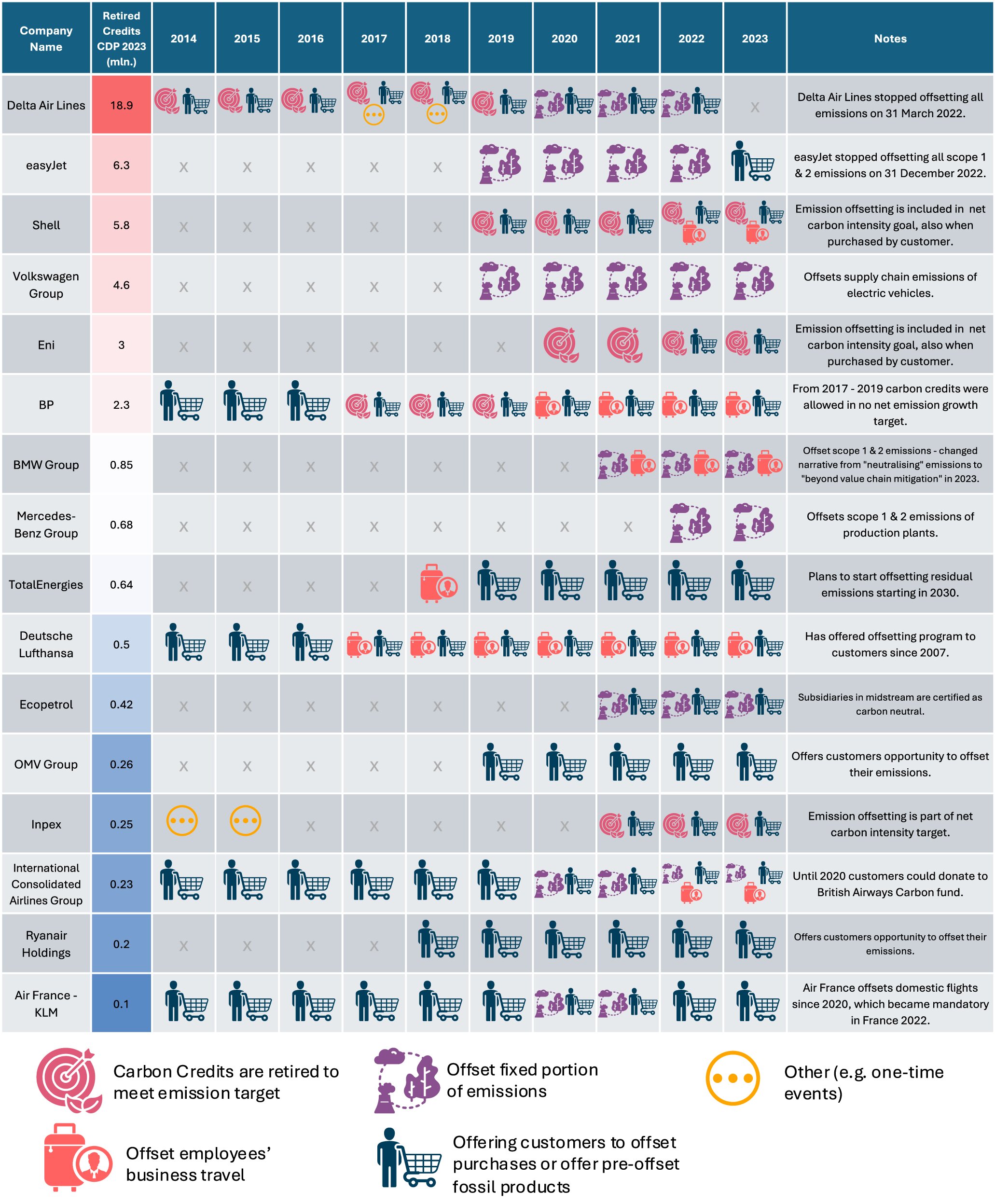
Many global companies use carbon credits as part of their climate strategies. A carbon credit represents the reduction, avoidance, or removal of one ton of carbon dioxide from the atmosphere. While often presented as a way to reduce environmental impact, new research questions whether credits actually help companies cut emissions faster.
An in-depth study of 89 multinational companies, published in Nature Communications, shows that firms buying credits do not decarbonize any quicker than those that do not. The analysis reviewed over 400 sustainability reports and environmental data from companies in sectors such as oil and gas, automotive, and aviation—industries that purchased around a quarter of all carbon credits available in 2022.
Between 2018 and 2023, the researchers compared emission reductions and climate goals with the amount of credits companies purchased. To ensure accuracy, they cross-checked data against leading carbon credit agencies. Findings revealed that companies typically spend only about 1% of their capital budgets on credits, showing that offsets represent a small share of overall spending. But the study also found that credits can compete with internal decarbonization, drawing funds away from structural changes that cut emissions directly.
Examples include Delta Air Lines and easyJet. Delta continues to use offsets, while easyJet stopped in 2022 and shifted to other approaches. For some firms, buying credits is cheaper and easier than investing in operational improvements, raising questions about how much progress offsets deliver.
The researchers argue that a shift from voluntary offsetting to compliance systems could be more effective. In carbon compliance frameworks, governments require companies to pay for their emissions. This creates a direct financial incentive to reduce carbon output rather than rely on offsets.
The study also raises concerns about greenwashing—when companies mislead consumers about their environmental practices, intentionally or not. Weak rules and vague claims make it difficult for consumers to know whether a company’s climate promises are genuine. Stronger compliance-based policies could help address this gap by holding businesses accountable for measurable reductions.
The message is clear: carbon credits alone are not enough. Real progress will depend on structural change and regulatory systems that push companies to cut emissions at the source.


