
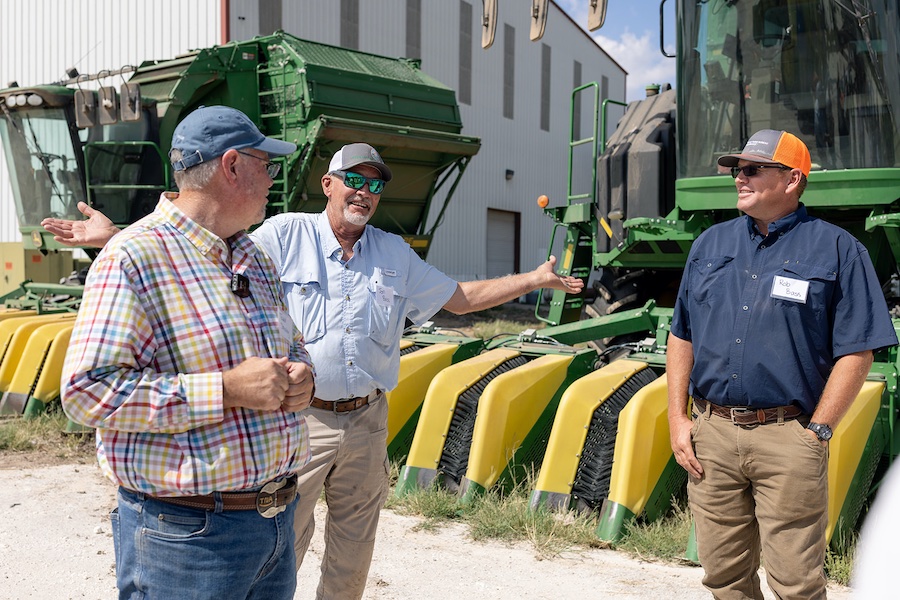
Producer enrollment for the US Program of the Better Cotton Initiative (BCI) is now open and will remain available until May 15 for the 2026–2027 season. US cotton producers interested in participating can apply by completing a short Producer & Program Partner Interest Survey or by learning more about the program directly through BCI.
BCI is one of the most widely used sustainability standards in the cotton sector. As of 2025, the organization brings together more than 2,600 members from across the global cotton supply chain, alongside over 11,000 users of its Better Cotton Platform (BCP). The standard is currently implemented in 15 countries and accounts for around one fifth of global cotton production.
What the BCI standard covers
BCI’s farm-level standard focuses on practical environmental and social principles that align closely with how many producers already operate. These include responsible farm and labor management, soil health improvement, biodiversity protection, water stewardship, and careful crop protection practices.
The organization is funded mainly through annual membership fees paid by brands, retailers, and other supply chain members, along with additional investment linked to Better Cotton volumes purchased. For most producers, participation does not involve certification fees, making the program accessible to a wide range of farming operations.
Market access and farm-level benefits
Working with BCI helps producers connect with a global market. BCI cotton is sourced by more than 300 retailers and brands worldwide, offering producers broader visibility and new market entry opportunities. Certified producers can also market their fiber as BCI Cotton internationally.
Beyond market access, BCI participation supports on-farm efficiency. Many of the practices required by the standard are already familiar to growers, and meeting BCI criteria can help reduce input costs, strengthen farm resilience, and support long-term productivity. These efforts also contribute to positive environmental outcomes at field and regional levels.
In 2025, BCI published its 10-Year US Impact Report, which highlights regional data, production trends, and case studies from across the US Program. The report reflects the scale of collaboration behind the program and the progress made by participating producers over the past decade.
Additional support for US producers
Producers in the US Program play a central role in BCI’s work, and the organization is now offering added support alongside certification, at no cost to the producer.
Conservation planning
BCI is working directly with certified producers to develop customized conservation plans. These plans help farmers assess soil health, integrated pest management strategies, and other resource concerns. They can also support access to USDA funding opportunities, including the new NRCS regenerative agriculture program. At the same time, conservation plans assist producers in meeting BCI requirements and navigating regulatory changes, such as updated EPA pesticide rules. Experiences from producers like Terry Fuller show how this planning can fit into everyday farm management.
On-farm practice trials
Through its US Program, BCI offers limited funding for producers who want to test regenerative practices on their own fields. These projects allow farmers to evaluate new approaches under real conditions while keeping profitability in focus. North Carolina cotton producer Zeb Winslow is one example of growers using this support to explore systems that improve resilience across generations.
Carbon program opportunities
BCI-Certified Producers may also qualify for Indigo Ag’s Carbon program, which covers multiple crops and recognizes practices many producers already follow. Under this program, 75 percent of the carbon credit purchase price is returned directly to the producer. BCI is also collaborating with Indigo Ag on the Source program, which aims to help brands and retailers purchase carbon reductions and removals within their supply chains.
Building connections
BCI places strong emphasis on collaboration. Certified producers and program partners regularly connect with buyers, advocates, and fellow farmers through virtual meetings and in-person events. These exchanges provide space to share challenges, practical insights, and lessons from the field.
How to get involved
US cotton producers interested in the BCI US Program are encouraged to complete the brief interest survey with basic farm information. Questions about certification, conservation planning, or related programs can also be directed to us.team@bettercotton.org.
Enrollment is open until May 15, offering producers a clear window to join the 2026–2027 season and take part in a program that links farm-level practice with global cotton markets.


